LOGIN

Sitemap

3D Inspection System

3D Shape Inspection Technology, the Next Step in Textile Quality Control

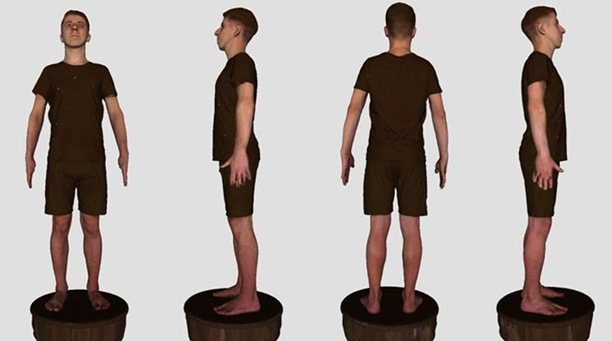
In the textile sector, a 3D inspection system measures and analyses fabric thickness, surface shape and three-dimensional defects using 3D data. While conventional 2D image-based inspection focuses mainly on colour and pattern, 3D inspection allows precise assessment of height, depth and volume.

1. What Is a 3D Inspection System?

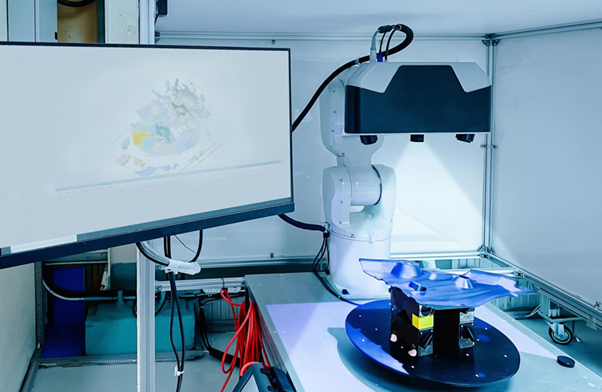
👉 The system scans the fabric surface using laser, structured light and ToF sensors.
  • Quantifies even fine surface unevenness in numerical data
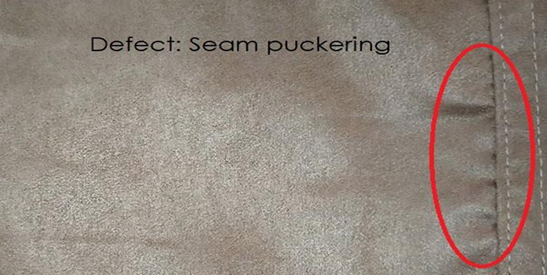
  • Detects three-dimensional defects, including wrinkles and puckering, that are difficult to identify with the human eye
  • Enables objective quality assessment based on measurable data
2. What Types of Defects Can Be Detected?

🧵 Three-dimensional Surface Defects

Wrinkle defect

Wrinkle

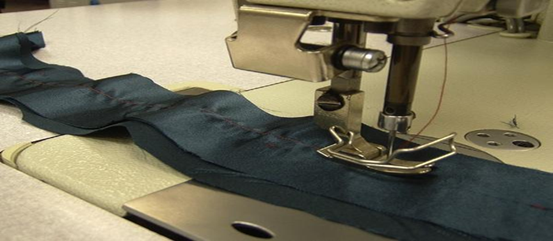
Puckering defect

Puckering

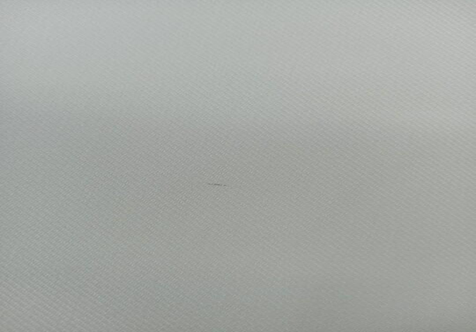
Surface roughness

Surface roughness

📏 Dimensional and Shape Inspection

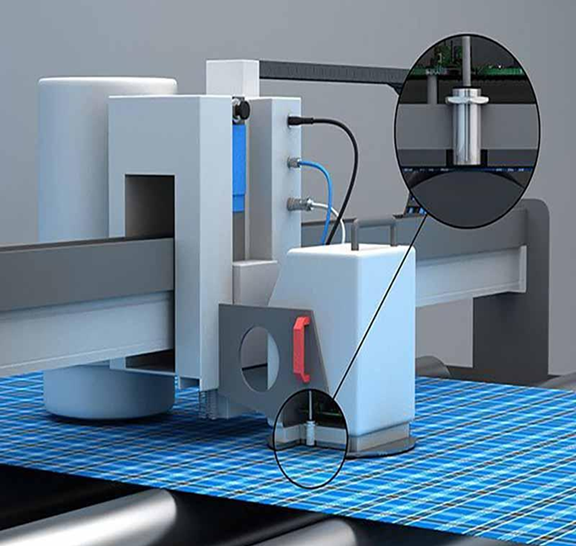
3D dimensional inspection 1
3D dimensional inspection 2
3D dimensional inspection 3
3. Main Technology Methods and Comparison
  • Structured Light: Projects patterned light and analyses distortion, offering the highest level of precision
  • Laser Triangulation: Calculates height using laser lines and is suitable for high-speed line inspection
  • ToF Sensor: Measures the time taken for reflected light to return, allowing rapid scanning of wide areas
4. Applications and Implementation Benefits
5. Applicable Processes
  • Weaving and knitting: Inspection of surface uniformity
  • After dyeing: Checks for shrinkage and deformation
  • Sewing process: Puckering inspection
  • Finished goods inspection: Fit and appearance quality assessment
6. Implementation Benefits
  • Detection of fine shape-related defects becomes possible
  • Quality standards can be quantified through numerical data
  • Root-cause analysis of defects becomes easier
  • The technology is essential for automotive seats and functional textiles
7. AI and 3D Inspection Trend
  • Automatic defect classification: Combines 3D data with AI
  • Defect prediction: Learns abnormal patterns from inspection data
  • Smart-factory integration: Enables integrated management with MES
8. Example Industries
  • Automotive interior materials, including seat fabrics
  • Sportswear, where compression and fit are important
  • Functional textiles, where uniformity is critical
  • Premium fashion products
9. Limitations and Considerations
  • Initial equipment costs are high, and large data volumes require high-performance processing capacity
  • Fabric characteristics, including reflection and transmission, may affect results, while speed and precision must be balanced

Contact Information

Reception: 031-212-0234 / kafti@kafti.or.kr
Manager: Senior Researcher Eunjeong Gong (010-4250-0365)
Director: Research Institute Director Seunghyuk Baik (010-4802-6453)
President: President Eunsu Kim (010-8756-7379)

회원로그인

회원가입