
LOGIN

Sitemap

Toy Inspection

Toys are used by children, who are physically more vulnerable and may put products in their mouths or handle them roughly. For that reason, toys are subject to some of the strictest and most conservative inspection standards among consumer products. Key inspection items under Korea’s KC certification system, the Special Act on Safety of Children’s Products, and global standards such as ISO 8124 and ASTM F963 are outlined below.
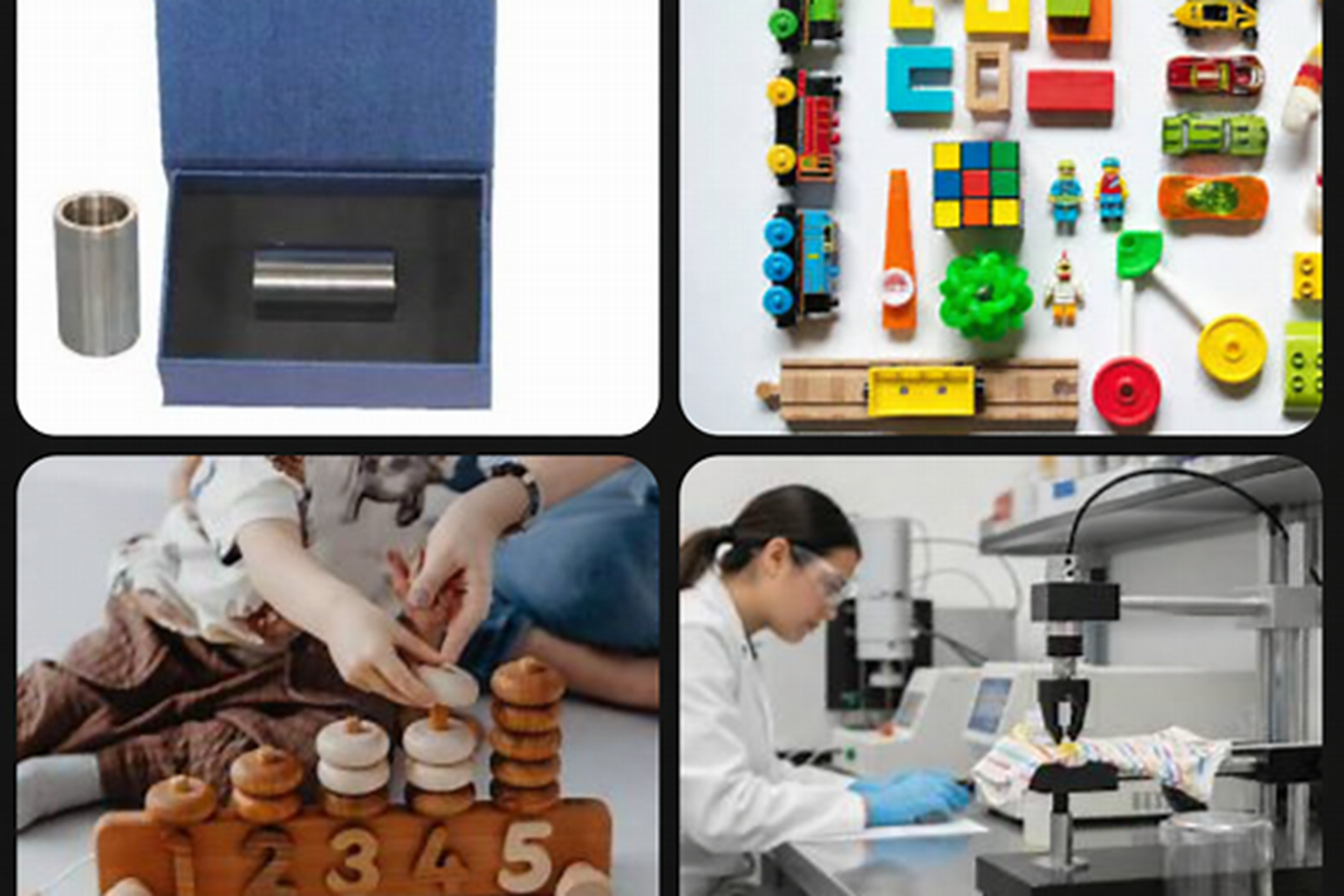
1. Physical and Mechanical Testing

This inspection is designed to prevent physical accidents that may occur when children play with toys.

  • Small parts test: For toys intended for children under 36 months, inspectors use a small-parts cylinder to check whether any component could pose a choking hazard if swallowed.
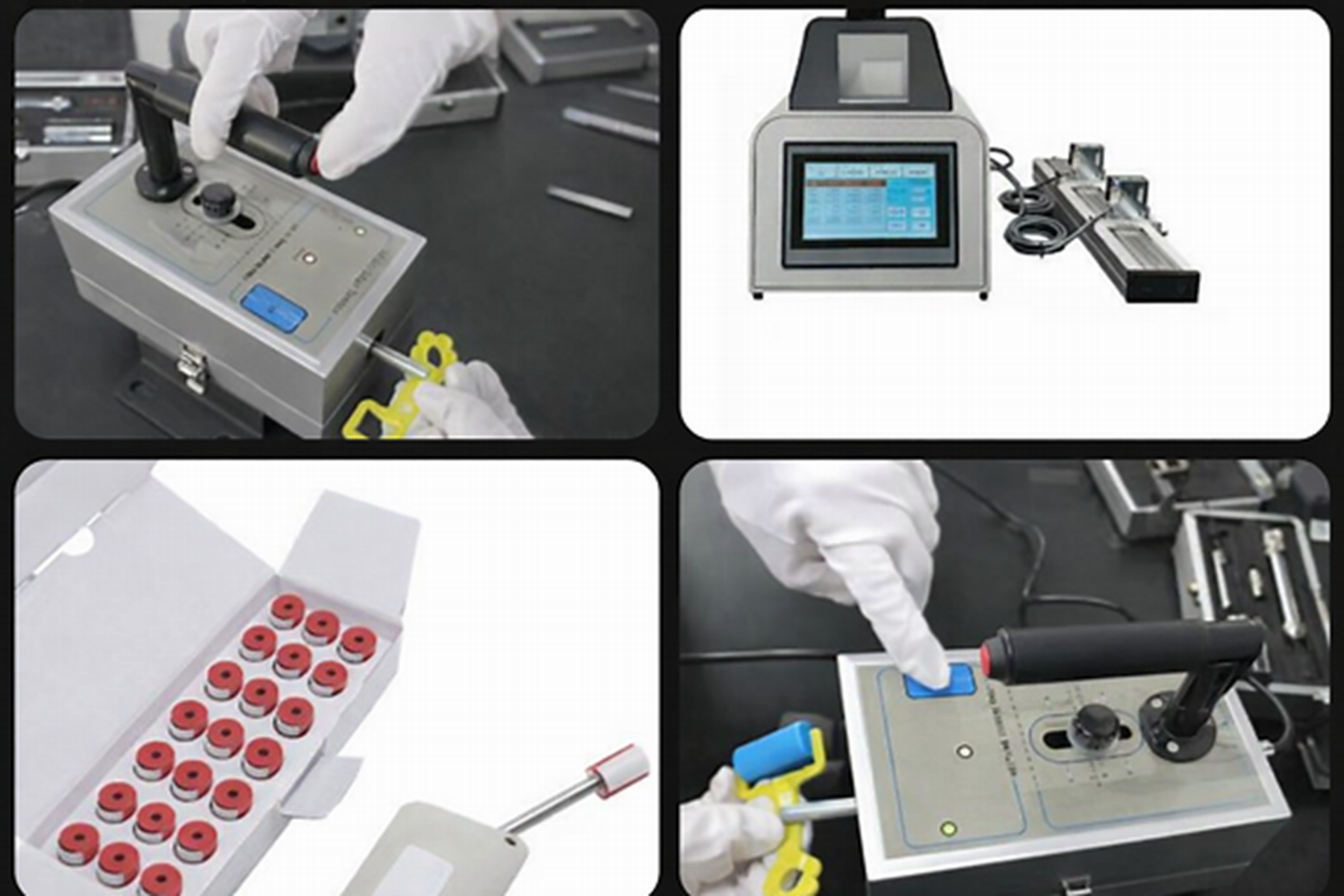
  • Sharp points and edges: Dedicated measuring tools are used to check whether poor finishing could puncture or cut a child’s skin.
  • Tension and drop tests: Products are checked to confirm that parts do not detach or break into sharp fragments when pulled or dropped.
  • Cord and string safety: When long cords or strings are included, inspectors measure their length and check whether a breakaway device is provided to reduce the risk of strangulation.

2. Chemical Safety Testing

These tests are designed to prevent hazardous substances from entering the body when toys are placed in the mouth or remain in contact with the skin for long periods.

  • Migration of hazardous elements, including eight heavy metals: Products are checked to confirm that lead, cadmium, mercury, antimony and other regulated heavy metals do not migrate above permitted limits.
  • Phthalate plasticizers: The content of plasticizers used to soften plastics is strictly limited, generally to 0.1% or less, to reduce risks linked to endocrine disruption.
  • Nitrosamines and preservatives: Rubber toys, including balloons and pacifier-shaped products, are checked for nitrosamines, which are classified as carcinogenic substances.

3. Flammability Testing

Flammability testing measures how quickly fire spreads, helping ensure children have time to move away if a toy catches fire.

  • Flame spread rate: When flame is applied to stuffed toys, children’s tents, masks and similar products, the burning rate must not exceed the prescribed limit, commonly 30 mm/s or less.

4. Electrical Safety Testing

This applies to operating toys powered by batteries or rechargeable battery systems.

  • Heat generation and overload testing: Products are checked to ensure that surface temperatures do not become high enough to cause burns during extended operation, and that there is no risk of battery leakage or explosion.

5. Key Final Inspection Checklist

These are practical items that inspectors must visually check before shipment.

  • Battery compartment locking device: Inspectors check whether the battery compartment is secured with screws or equivalent devices so children cannot easily remove and swallow batteries.
  • Warnings and age labeling: Warning statements, including “Not for children under three years,” and appropriate age indications are checked to ensure they are clearly displayed.
  • Magnet safety: If strong magnets are included, inspectors strictly check their attachment because detached magnets may cause internal injuries if swallowed by children.
Toy on-site inspection 1

Battery compartment locking device, including screw fixation, and age-related warning label checks.

Toy on-site inspection 2

Final visual inspection of magnet attachment and physical durability.

👉 Key On-site Checkpoints

✔ Battery compartment screw fixation
✔ Age-related warning labels
✔ Magnet and component detachment
✔ Sharp finishing check

Contact Information

Reception: 031-212-0234 / kafti@kafti.or.kr
Vietnam: Researcher Hana Kim / China: Researcher Tu Lin / Korea: Researcher Su-jin Ahn
Inspection Manager: 010-4250-0365 / ball0816@kafti.or.kr
Senior Researcher Eun-jung Gong
Research Director: 010-4802-6453 / shbaik@kafti.or.kr
Research Director Seung-hyuk Baik
President: 010-8756-7379 / joshuakim@kafti.or.kr
President Eun-soo Kim

회원로그인

회원가입