LOGIN

Sitemap

Colorfastness Testing

We measure how well textile products resist colour change or colour transfer
when exposed to external factors during processing, storage and everyday use.

1. Assessment Method: Gray Scale

Colorfastness refers to the degree to which a textile product resists colour change or colour transfer when exposed to external factors such as washing, sunlight, friction and perspiration during processing, storage and use. It is a key indicator of quality control and consumer satisfaction, and is generally rated from Grade 1, the lowest level, to Grade 5, the highest level.

After testing, the result is assessed against a standard colour chart known as the Gray Scale.

  • Color Change: Measures how much the colour of the test specimen itself has changed after testing.
  • Staining: Measures how much colour has transferred to the adjacent white fabric placed with the specimen during testing. A common example is dye from jeans staining a white T-shirt during washing.

2. Key Dye Colorfastness Test Items

① Colorfastness to Washing

This test assesses the extent of colour loss or staining under domestic or commercial washing conditions.

  • Test method: A detergent solution at a specified concentration and steel balls are placed in a test vessel. The specimen is rotated at a defined temperature and duration before colour change and staining are assessed.
  • Main standards: ISO 105-C06, AATCC 61

② Colorfastness to Light

This test assesses the degree of colour fading when the product is exposed to sunlight and ultraviolet light.

  • Test method: Artificial sunlight is applied using a Xenon Arc lamp. The result is graded by comparison with the point at which the accompanying Blue Wool Scale changes.
  • Main standards: ISO 105-B02, ASTM G155

③ Colorfastness to Crocking/Rubbing

This test assesses the extent to which colour transfers through friction during wear.

  • Test method: A crockmeter is used. The specimen is rubbed a set number of times with white cotton cloth in both dry and wet conditions before the level of staining is checked.
  • Main standards: ISO 105-X12, AATCC 8

④ Colorfastness to Perspiration

This test confirms whether colour changes or transfers due to the chemical components of human perspiration.

  • Test method: Acidic and alkaline artificial perspiration solutions are prepared. The specimen is wetted and then evaluated under a defined level of pressure.
  • Main standards: ISO 105-E04, AATCC 15

3. Points to Note When Interpreting Test Results

  • Vulnerability in wet conditions: Most textiles show lower fastness in a wet state than in a dry state.
  • Staining according to fibre composition: In blended fabrics such as polyester and cotton, the degree of staining may vary depending on the characteristics of each fibre.
  • Dark colours versus pale colours: Dark colours such as navy, black and red are generally more difficult to manage for colorfastness than pale colours.

4. Use in Quality Control

Colorfastness testing data is essential in the following situations.
  • Complaint prevention: Provides the basis for care label instructions designed to prevent staining accidents after washing.
  • Compliance with international standards: Helps satisfy technical standards required by overseas buyers, including ISO, ASTM and AATCC.
  • Process optimisation: Identifies production-process issues such as the amount of fixing agent used or dyeing temperature control.
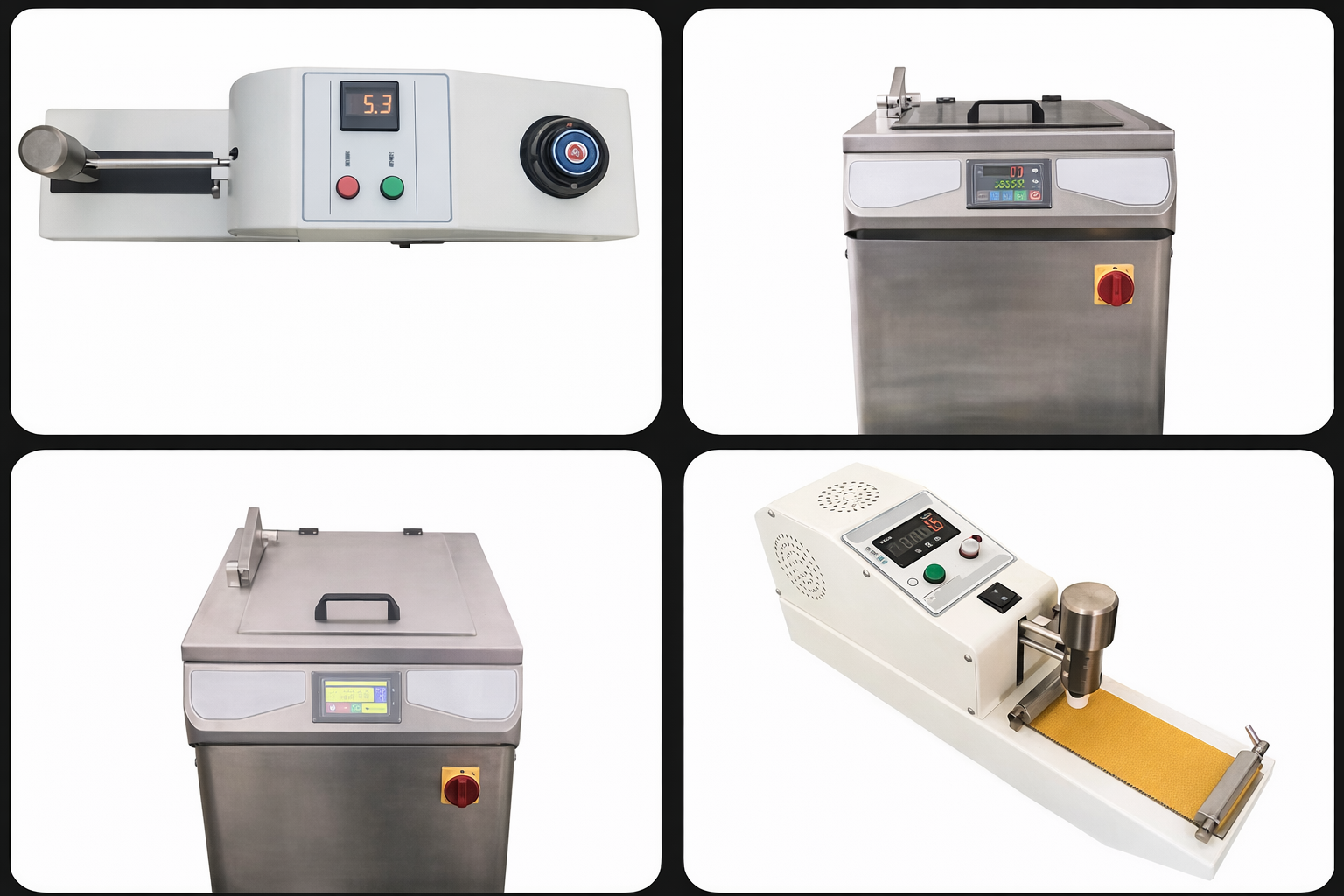
Quality control application image

Additional Colorfastness Tests

1. Water-related Fastness

These tests measure colour change when the product is exposed to specific moisture conditions other than ordinary washing.

  • Water Fastness: Evaluates colour change when the specimen is left under pressure while wet with distilled water. It is a basic item for general apparel. (ISO 105-E01)
  • Sea Water Fastness: Reproduces exposure to seawater or artificial seawater. It is essential for swimwear and marine leisure products. (ISO 105-E02)
  • Chlorinated Water Fastness: Measures the degree of fading caused by disinfectant components, or available chlorine, in indoor swimming pools. (ISO 105-E03)

2. Care and Processing-related Fastness

  • Dry-cleaning Fastness: Checks colour loss and staining during dry cleaning with organic solvents. (ISO 105-D01)
  • Sublimation Fastness: Measures whether dyes vaporise under high heat and transfer to other fabrics. (ISO 105-P01)
  • Colorfastness to Hot Pressing: Checks whether temporary or permanent discolouration occurs during hot ironing. (ISO 105-X11)

3. Storage and Environmental Fastness

  • Phenolic Yellowing Test: Reproduces the yellowing of white garments during storage in polybags. (ISO 105-X18)
  • Fastness to Nitrogen Oxides: Measures the degree of colour change caused by atmospheric gases such as exhaust fumes. (ISO 105-G01)
  • Ozone Fastness: Checks fading caused by ozone in the atmosphere and is used mainly for denim products.

4. Composite Fastness

  • Combined Colorfastness to Light and Perspiration: Tests exposure to sunlight while the product is wet with perspiration. It is important for sportswear and outdoor apparel. (ISO 105-B07)

5. Guide to Selecting Test Items

Product CategoryEssential Additional Test Items
Swimwear / BeachwearSea water, chlorinated water and water fastness
White / Pale-coloured ApparelPhenolic yellowing and light fastness
Outdoor Apparel / TentsCombined light and perspiration, water fastness and sublimation fastness
Premium Suits / CoatsDry-cleaning, water and rubbing fastness
Guide to selecting test items image

Contact Information

Reception and Consultation: 031-212-0234 / kafti@kafti.or.kr
Vietnam: Hana Kim / China: Tu Lin / Korea: Researcher Sujin Ahn
Inspection Manager: Senior Researcher Eunjeong Gong (010-4250-0365)
ball0816@kafti.or.kr
Head of Research Institute: Research Institute Director Seunghyuk Baik (010-4802-6453)
shbaik@kafti.or.kr
President: President Eunsu Kim (010-8756-7379)
joshuakim@kafti.or.kr

회원로그인

회원가입