KAFTI provides management solutions aligned with global ESG standards by quantitatively analysing environmental impacts across the full life cycle, from raw materials to disposal.
| LCA Stage | Assessment Scope: the total environmental impact of a single garment |
|---|---|
| STEP 01 Raw Material Production |
Assessment of energy and resource use in the initial sourcing of raw materials, including cotton and polyester. |
| STEP 02 Spinning and Weaving |
Assessment of electricity use and pollutant emissions during yarn production and fabric manufacturing. |
| STEP 03 Dyeing and Finishing |
A core assessment area focusing on the impact of heavy water use, chemical consumption and high-concentration wastewater generation. |
| STEP 04 Distribution and Use |
Assessment of environmental impacts from product transport, consumer washing and dry-cleaning. |
| STEP 05 Disposal and Recycling |
Assessment of textile-waste treatment, microplastic generation and recycling efficiency. |
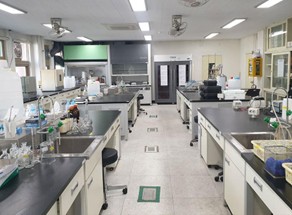
▲ Hazardous chemical management and response to global standards, including REACH and ZDHC

▲ Quantitative analysis of environmental impacts across the full textile product life cycle, LCA
| Key Area | Detailed Management Scope | Main KPI Indicators |
|---|---|---|
| Dyeing and Finishing Process (Water-intensive) |
|
Water use, L/kg fabric Wastewater pollution level |
| Energy Use and Carbon Emissions |
|
Energy use, kWh/kg Greenhouse gas emissions |
| Chemical Management |
|
Detection of hazardous substances REACH and ZDHC compliance |
| Waste and Microplastics |
|
Ratio of recycled raw materials used, % |
| Main Reference Standards | ISO 14001 and ISO 14040, Higg Index, ZDHC, Zero Discharge of Hazardous Chemicals, and bluesign eco-friendly certification |
|---|---|
| Assessment and Management Procedure | Data collection ➡ impact analysis, LCA ➡ regulatory comparison ➡ risk assessment ➡ improvement planning ➡ verification |