
LOGIN

Sitemap

Stationery Inspection

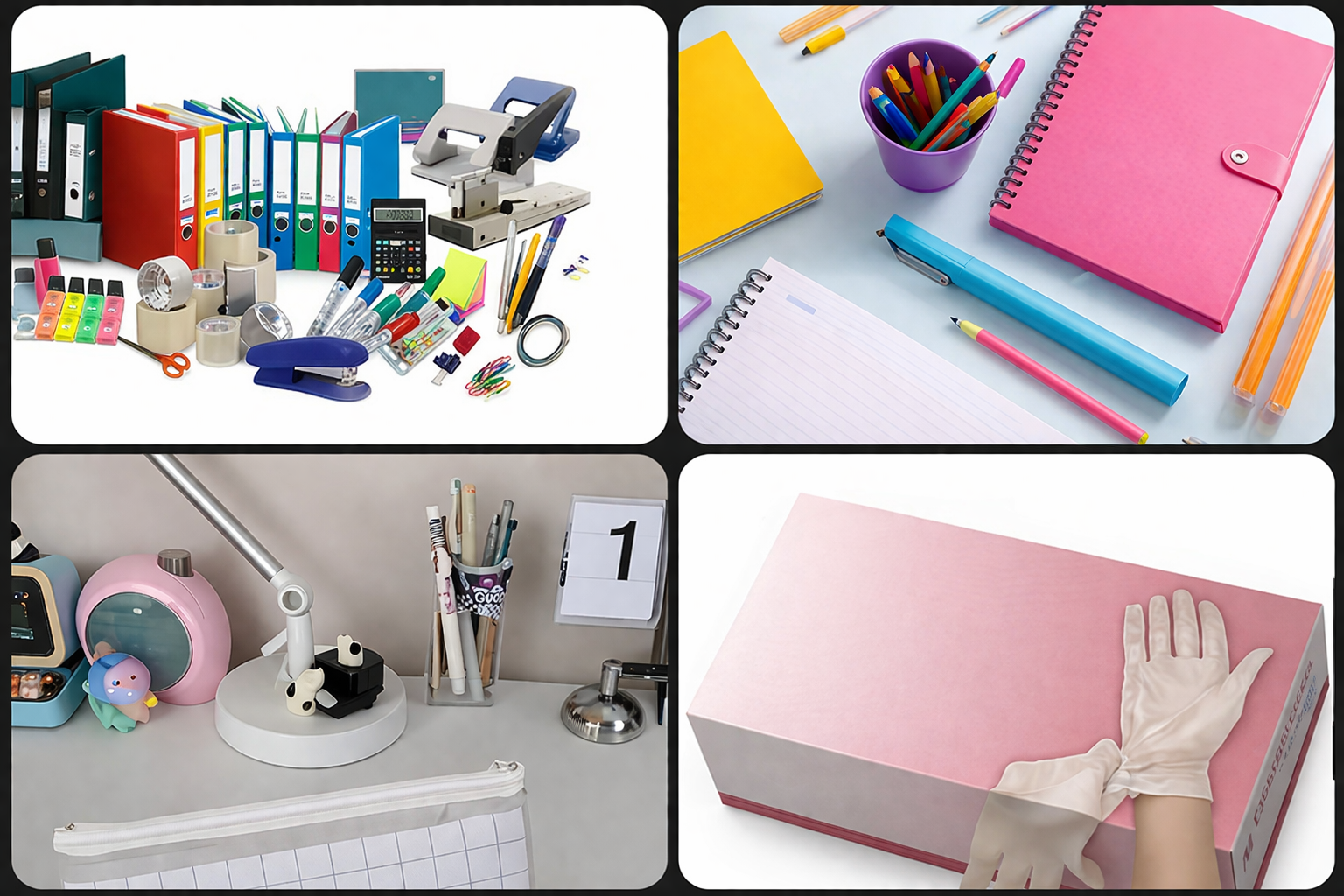
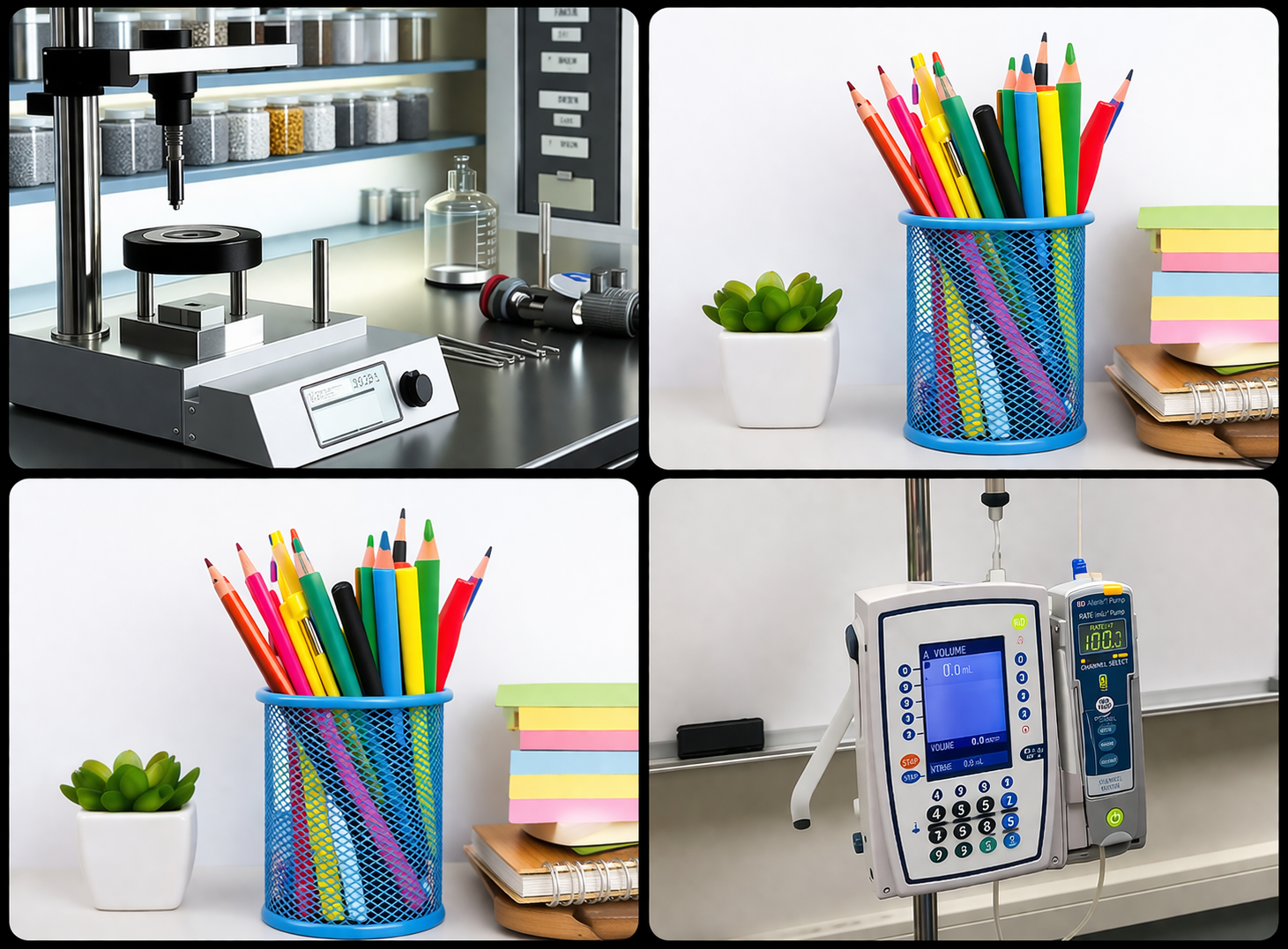
Stationery products, including writing instruments, notebooks and art supplies, are used every day by children and students. For that reason, strict inspections are carried out under school supplies safety standards, including KC certification.
1. Chemical Safety Inspection

Because stationery products often use colorants and plastic materials, the detection of hazardous substances is a primary inspection priority.

  • Heavy metal migration and content: Crayons, paints, colored pencils and related products are analyzed to confirm whether eight major heavy metals, including lead, cadmium and mercury, remain below permitted limits.
  • Phthalate plasticizers: Plastic materials, including PVC used in erasers and pencil cases, are checked for plasticizers that may affect the endocrine system.
  • Preservatives and harmful organic compounds: Liquid glue, clay, marker pens and similar products are tested for preservatives that may trigger allergic reactions, as well as formaldehyde levels.

2. Physical and Mechanical Safety Inspection

This structural inspection is designed to prevent injury during normal use.

  • Sharp points and edges: Scissors, knives and compasses, as well as the finished edges of plastic rulers and pencil cases, are checked to ensure they do not cut a child’s hands.
  • Cap ventilation for choking prevention: Pen and marker caps are checked to confirm that a ventilation path is designed to reduce airway blockage if swallowed by a child.
  • Small part detachment: Pull tests are carried out to check whether decorations on erasers or mechanical pencil knobs can come off easily and create a swallowing hazard.

3. Performance and Durability Testing

These checks confirm whether each product maintains its intended function properly.

  • Writing performance and service life: Ballpoint pens and markers are tested to confirm whether they write continuously for the required distance without skipping or ink leakage.
  • Binding and adhesive strength: Notebooks are checked to ensure pages do not detach easily, while glue products are assessed for compliant adhesive strength.
  • Gloss and color: Colors are compared with standard color references, and resistance to fading under light, or light fastness, is checked.

4. Precision Product Appearance and Function Inspection

Before shipment, inspectors sample and check color accuracy, binding condition and eraser performance. Warning labels and age indications on the package are also reviewed for accuracy.

5. Final Inspection Checklist

These are the items inspectors must visually confirm before shipment.

  • Age-related labeling: Checks whether caution statements, such as “Not for children under three years,” and recommended age markings are accurately displayed.
  • Operational checks: Inspectors verify mechanical pencil lead discharge, scissor cutting performance, pencil-case zipper smoothness and other functions by full inspection or sampling.
  • Quantity and packaging: For set products, inspectors check whether all components, such as a 12-color pencil set, are included without omission.
Stationery on-site inspection 1

Age labeling and operation: Checks of age indication, mechanical pencil lead discharge, scissor cutting performance and zipper operation.

Stationery on-site inspection 2

Quantity and packaging: Final checks of set-product components, such as 12-color pencil sets, and final packaging condition.

👉 Key On-site Checkpoints

✔ Age-related labeling
✔ Operational and cutting performance
✔ Quantity and packaging check
✔ Detailed function and appearance inspection

Contact Information

Reception and Consultation: 031-212-0234 / kafti@kafti.or.kr
Vietnam: Hana Kim / China: Tu Lin / Korea: Researcher Su-jin Ahn
Inspection Manager: Senior Researcher Eun-jung Gong (010-4250-0365)
ball0816@kafti.or.kr
Research Director: Seung-hyuk Baik (010-4802-6453)
shbaik@kafti.or.kr
President: Eun-soo Kim (010-8756-7379)
joshuakim@kafti.or.kr

회원로그인

회원가입