LOGIN

Sitemap

Needle Detection Inspection

In the apparel and textile industry, needle detection is a final safety inspection designed to identify broken needle fragments or other metallic foreign objects that may remain inside finished products. It is one of the most strictly managed quality-control requirements for buyers, particularly for children’s wear and underwear that come into direct contact with the skin. The key points and practical process of needle detection inspection are outlined below.

1. Purpose of Needle Detection Inspection

  • Preventing consumer injury: If a small broken needle tip remains embedded in a garment during the sewing process and is shipped, it may cause serious injury to consumers, especially infants and young children.
  • Product liability response: If a needle-related accident occurs, the manufacturer may face substantial compensation liability and serious damage to brand reputation. Needle detection therefore acts as both a legal and commercial safeguard.
  • Compliance with global buyer requirements: Most buyers in North America and Europe do not allow shipment without a needle detection report.

2. Main Needle Detection Equipment and Principles

① Conveyor-type Needle Detector

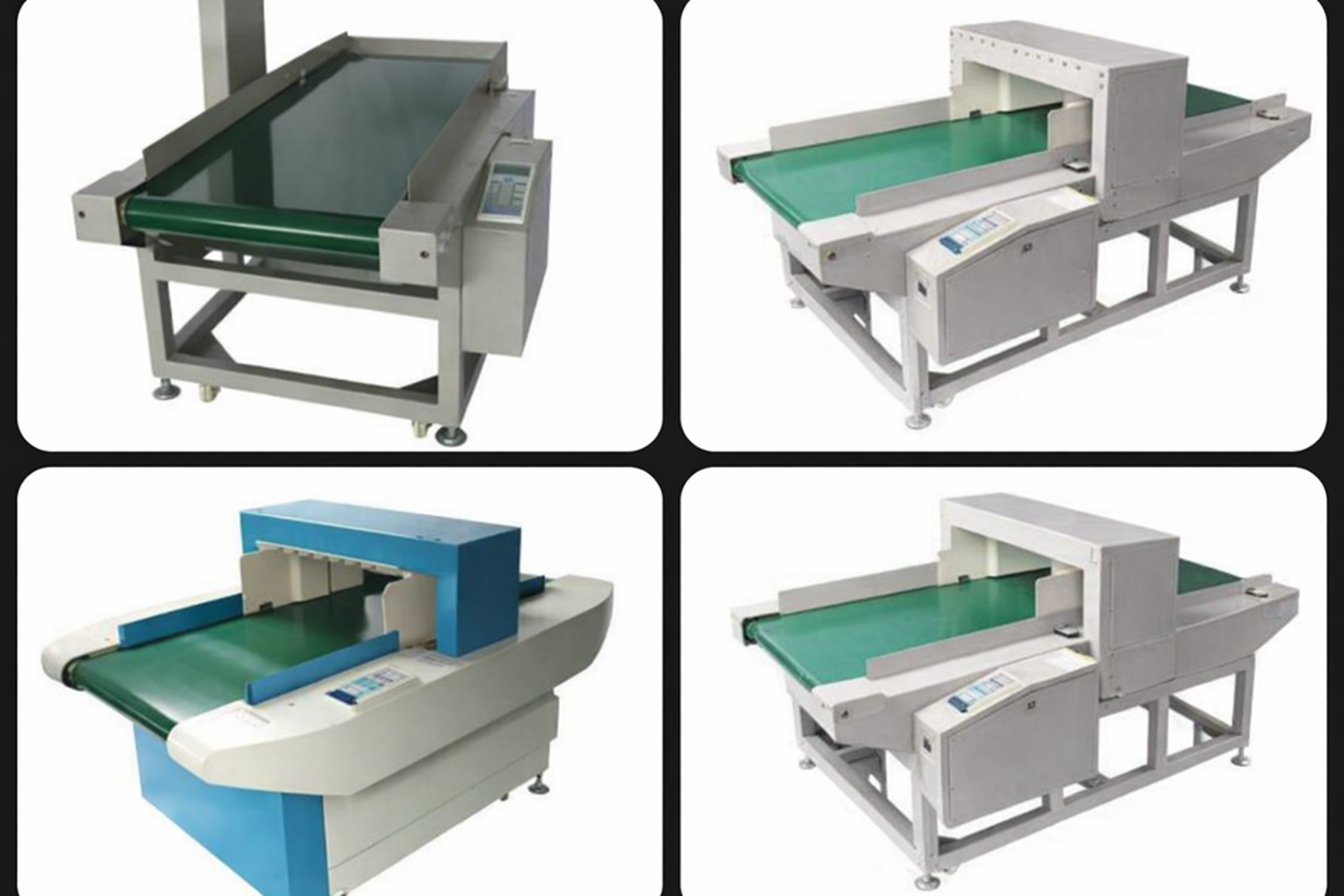
This is the most commonly used system. Finished products are placed on a conveyor belt and passed through a magnetic-field tunnel.

  • Principle: When metal containing iron passes through the magnetic field inside the tunnel, the system detects changes in the waveform and triggers an alarm.
  • Sensitivity standard: The usual standard is the ability to detect a steel ball measuring about 1.0 mm to 1.2 mm.

② X-ray Inspection System

This is a high-specification system that uses radiographic imaging rather than a magnetic field to check the inside of the product.

  • Advantage: Even products that cannot pass through a magnetic needle detector because of metal parts such as zippers or buttons can be inspected. The system can distinguish needle fragments from trims by their shape when non-detector-grade accessories are used.

3. Needle Detection Practical SOP, or Standard Operating Procedure

For effective needle detection control, factories must carry out the following three-stage management process.

STEP 1: Needle Management

Before relying on a detector, the first priority is to prevent needle loss at the production site.

  • Needle replacement log: When a needle breaks, the operator must find all broken fragments and attach them to the log with tape to confirm that the needle is complete before receiving a replacement needle.
  • Use of non-ferrous trims: Zippers, snaps and eyelets must be pre-tested to confirm whether they are needle-detector friendly and made of non-ferrous materials.

STEP 2: Detector Calibration

A nine-point check is carried out to confirm whether the equipment is operating properly.

  • Method: The detector entrance is divided into three sections horizontally and three sections vertically, creating nine areas in total. A standard test piece is placed in each area and passed through to confirm whether the alarm is triggered.
  • Frequency: The test is usually carried out at least three times a day, including before work begins, after lunch and before the end of work, and the results are recorded.

STEP 3: Main Inspection and Segregation

  • Full inspection: All finished products must pass through the needle detector before packing.
  • When an alarm occurs: Any product that triggers an alarm must immediately be placed in a red box, or isolation box. The foreign object must then be located and removed using a hand-held detector or X-ray system, after which the product must pass through the needle detector again.

4. Buyer-specific Standards

  • Japanese buyers: Japanese buyers are known for applying some of the world’s strictest requirements, including detection sensitivity of 0.8 mm in some cases. They also tend to prefer a system in which products are packed and sealed immediately after passing through the detector.
  • Children’s wear buyers: In addition to needle detection, they often combine safety management with button pull tests to further strengthen product safety control.
Needle detection inspection site
A needle detection inspection carried out at an apparel production site to protect consumer safety.

👉 Practical Guide to Needle Detection Inspection

1. Conveyor Needle Detector This is the most widely used equipment. Finished products are placed on a belt and passed through a magnetic-field tunnel to detect metallic foreign objects. When a needle fragment is detected, an alarm sounds and the belt stops or reverses.
2. 9-Point Check Practice This inspection process checks whether the sensitivity of the needle detection equipment is accurate. The entrance of the detector is divided into nine areas and a standard test piece is passed through each area. It is a core management item that must be carried out every day before work begins and at shift changes.
3. Broken Needle Log When a needle breaks on site, all fragments must be collected, restored to the original shape as far as possible, taped down and recorded in a log. If even one fragment is missing, products from the relevant line must go through a strict re-inspection process.
4. Hand-held Metal Detector This auxiliary device is used when a conveyor detector alarm occurs. It helps identify the precise area of the garment where metal may be embedded.

Contact Information

Reception: 031-212-0234 / kafti@kafti.or.kr
Vietnam: Researcher Hana Kim / China: Researcher Tu Lin / Korea: Researcher Su-jin Ahn
Inspection Manager: 010-4250-0365 / ball0816@kafti.or.kr
Senior Researcher Eun-jung Gong
Research Director: 010-4802-6453 / shbaik@kafti.or.kr
Research Director Seung-hyuk Baik
President: 010-8756-7379 / joshuakim@kafti.or.kr
President Eun-soo Kim

회원로그인

회원가입