LOGIN

Sitemap

Fabric Inspection

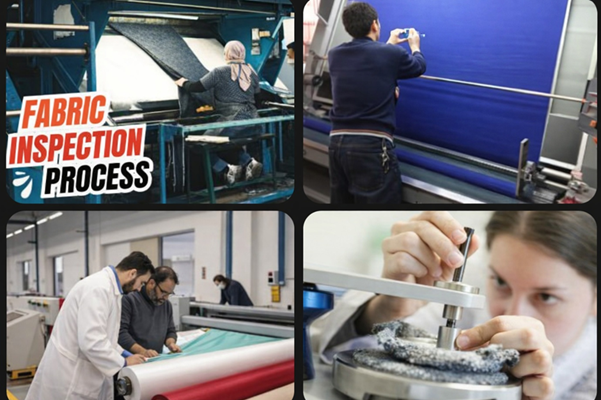
Fabric inspection is the process of assessing whether the material used in apparel production has visible defects.
It is the first critical stage in garment manufacturing and helps prevent significant losses that can occur when defective fabric enters the cutting process.
The process generally uses the internationally recognized 4-Point System to quantify defects and determine quality status.
1. 4-Point System

Under the international ASTM D5430 standard, defects are assigned penalty points according to their length, and the fabric is then assessed as accepted or rejected.

Defect LengthPenalty Points
Up to 3 inches, or 7.5 cm1 point
More than 3 inches and up to 6 inches2 points
More than 6 inches and up to 9 inches3 points
More than 9 inches, or 23 cm4 points

Holes: A minimum of two penalty points is applied regardless of size. Holes larger than one inch are generally recommended for four points.
Acceptance standard: In general, 40 points or fewer per 100 square yards is regarded as acceptable, although the standard may vary depending on each brand’s quality requirements.

2. Key Inspection Items

KAFTI checks visible defects and verifies whether the fabric meets the required specifications.

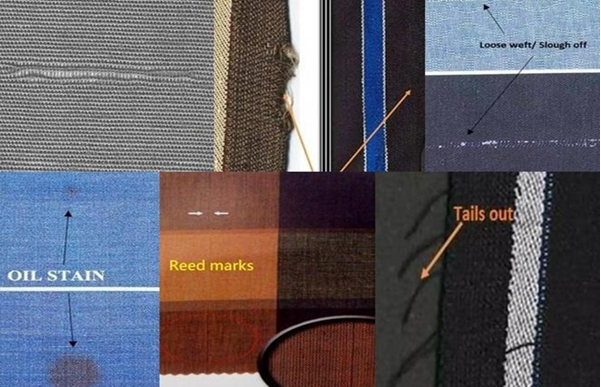
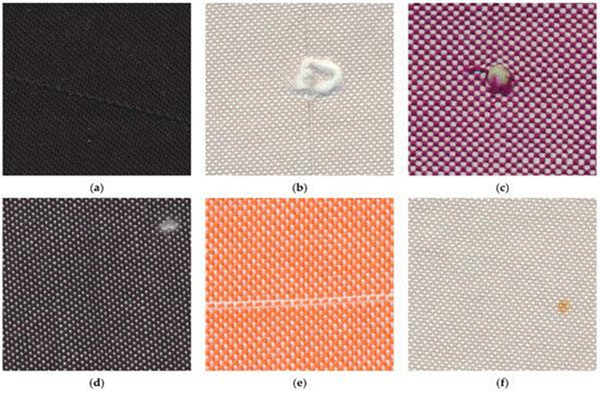
Fabric defect 1 Fabric defect 2 Fabric defect 3

Fabric defects: Visual inspection of physical defects, including foreign yarn, stains, weaving defects, stripe imbalance, holes and damage.

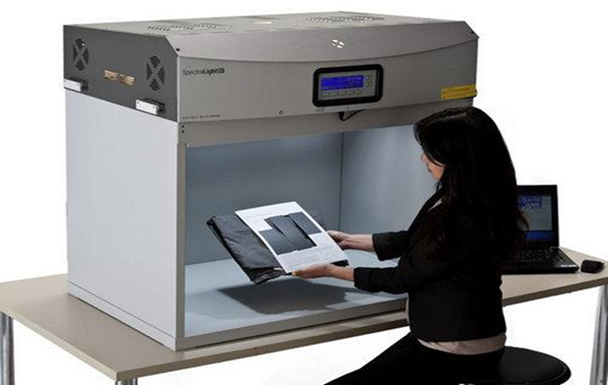
Color inspection

Color and appearance: Checks for color shading, dye-lot variation and cuttable width.

Information verification

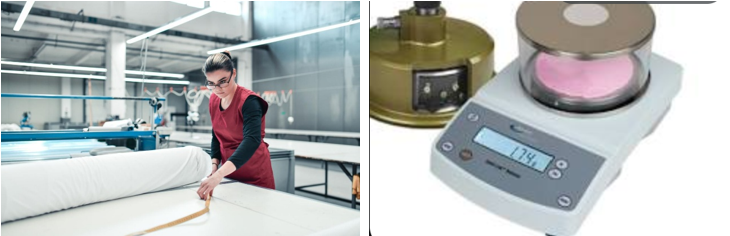
Information verification: Confirmation of fabric weight, or GSM, actual yardage, density and thickness.

3. Inspection Environment and Equipment

  • Lighting conditions: Standard daylight, or D65, and backlight are used to detect even small holes with precision.
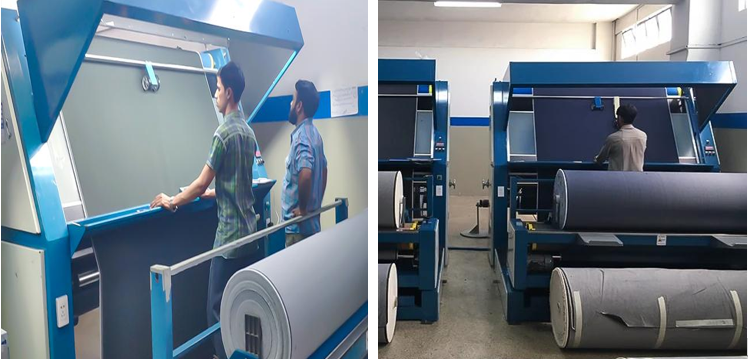
  • Inspection speed: A steady speed of about 15 to 20 yards per minute is maintained to support accurate reading.
  • Equipment setup: Inspection tables, light boxes, roll-feeding devices and digital recording systems are used.
  • Flagging: Defect locations are marked on the selvedge with stickers or thread to help exclude defective sections during cutting.

4. Inspection Procedure

Fabric Receiving and Preparation
Inspection Machine Setup
Visual Inspection and Recording
Grading and Report

Contact Information

Reception and Consultation: 031-212-0234 / kafti@kafti.or.kr
Vietnam: Hana Kim / China: Tu Lin / Korea: Researcher Su-jin Ahn
Inspection Manager: Senior Researcher Eun-jung Gong (010-4250-0365)
ball0816@kafti.or.kr
Research Director: Seung-hyuk Baik (010-4802-6453)
shbaik@kafti.or.kr
President: Eun-soo Kim (010-8756-7379)
joshuakim@kafti.or.kr

회원로그인

회원가입